
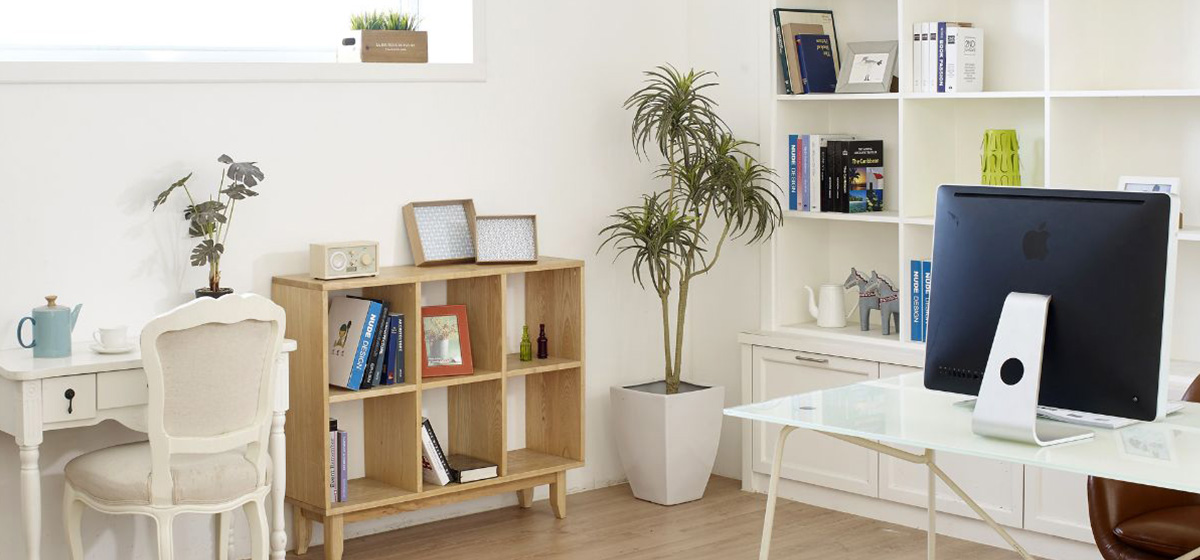
In the United States, you can take a tax deduction for your home office if you use it regularly and exclusively for business purposes. The deductions available for a home office can include a portion of your rent or mortgage interest, utilities, insurance, and depreciation.
To claim a home office deduction, you’ll need to determine the square footage of your home office as a percentage of your total home square footage. You can then use this percentage to calculate the portion of your eligible expenses you can claim as a deduction.
How to Calculate the Home Office Deduction?
To calculate the home office deduction in the United States, you’ll need to determine the square footage of your home office as a percentage of your total home square footage. You can then use this percentage to calculate the portion of your eligible expenses you can claim as a deduction.
Here’s an example of how to calculate the home office deduction:
- Determine the square footage of your home office.
- Determine the total square footage of your home.
- Divide the square footage of your home office by the total square footage of your home to find the percentage of your home that is dedicated to your home office.
- Use this percentage to calculate the portion of your eligible expenses you can claim as a deduction. For example, if your home office represents 10% of your entire home, you can claim 10% of your rent, mortgage interest, utilities, insurance, and depreciation expenses as deductions on your tax return.
It’s essential to keep detailed records of all expenses related to your home office, including receipts, invoices, and other documentation. That will help you accurately calculate your deduction and support your claim in an audit.
When calculating your taxes, you’ll want to look at how much space you use for working daily. Any area can be counted, but it must be “useable.” In some cases, storage areas may count too. If you store printer paper, office supplies, and other items related to your business in a closet, you can trust it.
What type of workspace qualifies as a home office?
In the United States, a home office is generally considered a separate and distinct space within your home that is used exclusively and regularly for business purposes. It means that you must use the area only for work and not for any personal activities.
Examples of a qualifying home office space include:
- A separate room.
- A portion of a room.
- A section of a basement that is used solely for work activities.
If you have a multipurpose room, such as a den or guest room, that you use for work and personal activities, it may not qualify as a home office.
Who qualifies for the home office deduction?
The home office deduction is available to self-employed individuals and business owners who use a portion of their home exclusively and regularly for business purposes. Individuals who run a business as a sole proprietor, a single-member LLC, or as a partner in a partnership are eligible for this deduction.
Before, employees who worked from home also were eligible for a home office deduction if they used a portion of their home for work activities and were not reimbursed for the expenses by their employer. The Tax Cuts and Jobs Act of 2017, which was passed by Congress and signed into law by the President, suspended the home office deduction for employees from 2018 through 2025. Employees who receive a paycheck or W-2 from an employer are not eligible for the home office deduction, even if they are currently working for various reasons.
To claim the home office deduction, taxpayers must meet the requirements for “exclusive and regular use” of a portion of their home or a separate structure on their property as their primary place of business. A place where you conduct business activities, such as meeting clients or customers, storing inventory, renting out, or using as a daycare facility, is eligible.
It’s worth noting that you do not have to be a homeowner to claim the deduction. Renters who live in apartments, mobile homes, boats, or other similar properties, may also be eligible for the home office deduction.
It’s possible to claim only a portion of the deduction if you meet the “exclusive and regular use” requirements for only part of the year. For example, if you left a 9-to-5 job and started your own business in 2021, using your home as your primary office space, you can claim the home office deduction for part of the year.
How to determine your home office deduction?
To determine your home office deduction, you must calculate the portion of your home that you use exclusively and regularly for business purposes. Here are the steps to help you determine your home office deduction:
- Determine the portion of your home used for business: This can be done by measuring the square footage of the area you use for your home office and dividing it by the total square footage of your home. For example, if your home office is 100 square feet and your home is 1,000 square feet, you would use 10% of your home for business purposes.
- Calculate your direct expenses: These expenses are directly related to the home office, such as painting, repairs, or improvements made solely to the home office. You can fully deduct direct expenses.
- Calculate your indirect expenses: These expenses are related to the overall operation of your home, such as utilities, mortgage interest, and property taxes. To calculate your indirect payments, you must multiply the percentage of your home used for business purposes by the total expenses.
- Determine your allowable home office deduction: Your permissible home office deduction is the sum of your direct and calculated indirect expenses.
- Report your home office deduction on your tax return: You can claim your home office deduction on Form 8829, “Expenses for Business Use of Your Home,” and attach it to your Form 1040.
Tips for Taking the Home Office Deduction
Here are some tips to help you take the home office deduction:
- Make sure your home office qualifies: To be eligible for the home office deduction, you must use the space exclusively and regularly for business purposes. You cannot use the area for any personal activities.
- Keep good records: Good record keeping is critical when it comes to the home office deduction. Keep receipts, invoices, and other documentation related to your home office expenses. It will help you accurately calculate your deduction and support your claim in the event of an audit.
- Calculate your deduction accurately: To calculate your home office deduction, you will need to determine the portion of your home used for business purposes and calculate both your direct and indirect expenses.
- Consider the alternative simplified method: If you need more time to calculate your home office deduction using the standard method, you can use the alternative simplified method instead. This method allows you to claim a flat $5 per square foot of your home office, up to a maximum of 300 square feet, for a maximum deduction of $1,500.
- Please consult a tax professional: As with all tax-related issues, it’s always a good idea to consult a tax professional for guidance on the home office deduction rules and regulations and any other tax-related matters.
- Stay updated with changes in the rules: The rules for home office deductions can change yearly, so stay up-to-date with any changes that might affect your eligibility.
These tips can maximize your home office deduction and reduce your taxable income.
What are the Requirements to Take the Home Office Deduction on Your Tax Return?
To take the home office deduction on your tax return, you must meet the following requirements:
- Regular and Exclusive Use: You must use a portion of your home exclusively and regularly for your trade or business. It means that You cannot use this space for any personal purposes.
- Principal Place of Business: You must use your home office as your principal place of business or a place where you meet clients or customers in the ordinary course of your business.
- Separate Structure: If you use a different structure, such as a barn, garage, or studio, for your home office, you must use it exclusively and regularly for your business.
- Documentation: You must be able to document your home office expenses and show how you calculated the deduction.
- Self-Employed: The home office deduction is only available to self-employed individuals, including sole proprietors, partners, and independent contractors.
- Employee Eligibility: The home office deduction is unavailable to employees who receive a W-2 form from their employer. The tax law changed in 2018, and employees can no longer take the home office tax deduction.