
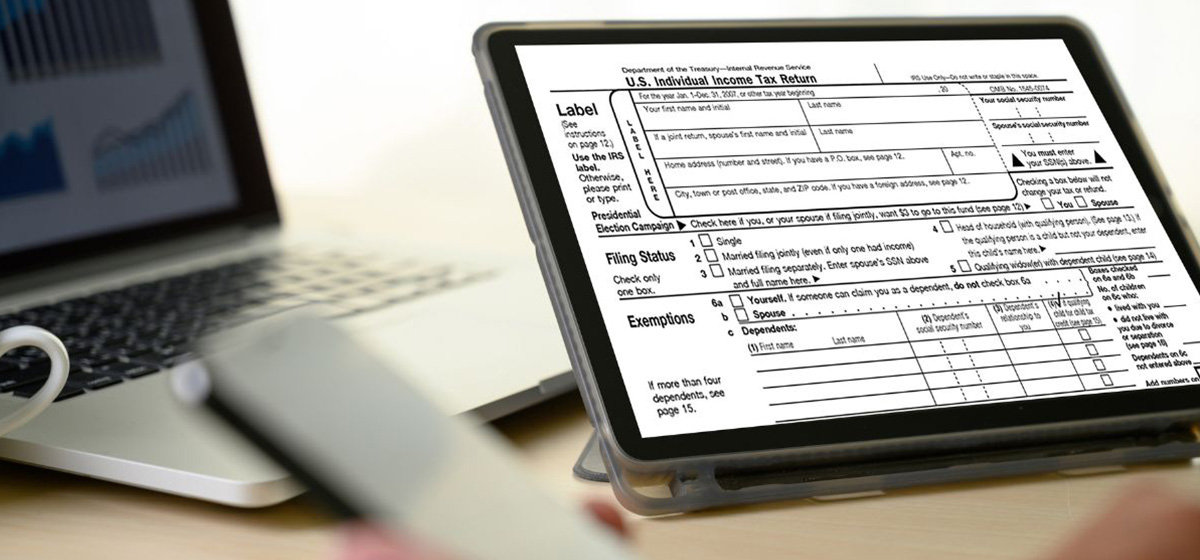
Income taxes are imposed by the government on individuals and businesses in their jurisdictions. Governmental bodies tax profits made by businesses and individuals. The rates of taxation vary depending on the taxpayer and the type of income. The taxes collected from the income of citizens and businesses are used to fund a variety of projects. State governments use income taxes to help keep their cities safe, create and maintain roads, and sundry other items. Federal income tax keeps the government afloat, funds social programs, and community development, and pays interest on the national debt.
There are three main categories of income taxes in the United States: regressive, progressive, and proportional. Regressive taxes impact lower-income individuals more than the wealthy. The other types of income tax systems affect low-and high-income earners in different ways. Proportional taxes apply at the same rate to every individual, no matter how much or how little income they earn. Progressive taxes impose larger percentages as an individual’s income gets higher. Regressive taxes are levied on goods and products with no consideration of the purchaser’s income level.
What is Income Tax?
Income tax is a tax levied by the government on profits earned by individuals and corporations. The government benefits from this type of revenue and is the primary cash source for governmental bodies. Most consider it a fair tax since it is only imposed when a business or a person has been able to generate taxable income. This means that it does not impact the poor or businesses and individuals who are unprofitable.
Income tax can come from any profitable income source. Most think of income as earnings from a job. However, some other sources of taxable income include dividends, product sales, rent, royalties, interest, gambling winnings, and dividends. In general, if you make money or a profit from it, include it in your taxes as income. Taxable income also includes items or products, or services given in exchange for work, such as samples.
Why do we have Income Tax?
In 2021, federal spending was over $10 trillion. States only spent about $930 billion. Where did all that money come from? Taxes fund all levels of our government. Taxes collected by governmental bodies help to foster economic growth and development. They also help pay for essential goods and services like health care, education, and infrastructure. The primary reason we have income taxes is to help the nation achieve a prosperous, orderly, and functional society.
What is the Purpose of Income Tax?
The Congressional Budget Office considers individual income taxes the top source of revenue for the government. Since the 19th century, taxes have served mainly to finance the government. Developing the government and fostering economic growth need sustainable sources of income. Taxes provide that income. Governments need it to develop a wide range of programs and services. Health, infrastructure, education, and other services are necessary for a society to be functional, orderly, and prosperous.
Where does the Government Use Income Tax?
Income taxes have been around for a long time. The US Federal budget is over $4 trillion dollars – a year. But where do all those dollars go? All of the funds are allocated by percentages to cover specific needs, including Social Security, defense, national debt interest, and health programs. Here is a breakdown of where income tax dollars go.
- Health Programs: Medicaid, Medicare, CHIP (Children’s Health Insurance Program), and subsidies for the Affordable Care Act.
- Military and Pentagon: About 4% of the budget is distributed to the Pentagon and defense and international activities for security.
- Federal Debt Interest: Around 7% of the government’s income tax goes toward scheduled interest payments on our national debt.
- Unemployment and Labor Programs: Less than 10% of Federal income tax dollars go toward labor programs and unemployed citizens.
- Agriculture: Government funding helps sustain farmers and ranchers across the country.
- Education: Around 4% of all federal income tax dollars goes back into education and schools.
- Governmental Expenses: The government has a sundry of miscellaneous expenses that must be covered.
- Housing & Community Programs: Only about 1% of federal income tax dollars go toward government-funded housing and community programs.
- Environmental Programs & Energy: The government used income tax dollars to protect the environment.
Although these are the main categories that explain where tax dollars go, there are many other places where federal dollars are sent. For example, some monies collected via federal taxes also go toward sustaining International Affairs, national transportation, and funding scientific and medical research projects.
Who Collects Income Tax?
In the United States, the IRS or Internal Revenue Service is responsible for collecting income taxes. The governmental entity was established in 1862 as a federal agency. Its sole responsibility is to collect taxes as well as enforce all tax laws. Most of what the IRS does involves collecting income taxes from individuals and corporations. In 2020, it processed around 240 million tax returns.
Who is exempt from paying income tax?
People who are exempted from paying income tax are single people over 65 years of age and with a gross income of no more than $14,250 is exempt from paying taxes. If a married couple is both over 65 and file jointly, they can earn up to $27,800 before they are required to pay income taxes.
Qualifying widows or widowers who are over 65 and make less than $26,450 are not required to pay income tax. The IRS exempts self-employed individuals who do not make more than $400. Some disabled individuals and dependents are exempt. These include people who depend on income, such as Supplemental Security Income and Welfare benefits. SSI recipients typically have permanent disabilities. Most Social Security recipients are exempt, but that depends on their income level.
Who is Required to File an Income Tax Return?
It may be surprising to learn that everyone doesn’t have to file income tax returns. Some people literally don’t make enough money. And if there is no profit, they don’t have to file federal returns. It depends on several factors, such as how much a person earns, their source of income, age, and filing status. Those who only receive Social Security benefits don’t need to file a return as long as they don’t have some other source of taxable income.
With that being said, most US citizens and permanent residents who work are required to file tax returns. The IRS has various minimum incomes set for those who are single, married, and of a certain age. If you make below a certain amount, you are not required to file. However, for some people, it’s still beneficial to file. For instance, if you qualify for the Child Tax Credit or the Earned Income Credit, made quarterly estimated tax payments, or had income taxes withheld from your pay.
How to File an Income Tax Return
The IRS usually starts accepting tax returns in late January each year. Once you know how much you made the previous year, you have a few decisions to make. Most years, you’ll have until April 15 to file. Here are the steps for filing a federal tax return.
- Step 1: Gather all your paperwork. Some of the items you’ll need include:
- W-2 forms from each employer you worked for the previous year.
- Earned interest statements or forms.
- Other earnings such as a 1099 form.
- Receipts for any medical and business expenses.
- Receipts for charitable donations.
- Decide your filing status. You determine this based on your marital status and whether you are single or married. You can be married and file separately, married and filing jointly, or as head of household. How much you pay towards household expenses may also affect your filing status.
- Decide how you prefer to file taxes. There are several options, including using the IRS tax preparation software to e-file. Businesses often find it advantageous to use a tax prep professional to file. You can also do the old-school pencil and paper method and mail it to the IRS.
- Whether you are filing your taxes on your own or going through a tax prep professional, you’ll have to decide if you want to take the standard deduction or itemize your deductions.
- If you owe the IRS tax money, you’ll need to select a payment plan.
Filing your taxes can be simple or complex, depending on your income and your filing status. A tax professional can be very beneficial in helping businesses and individuals fill out tax returns and getting them filed on time. They can also help you determine the best way to file them.
What are the Income Tax Return Filing Requirements?
Income tax filing requirements depend on three things, typically. The first is your filing status. Secondly, it’s based on your gross, not net, income. And lastly, it depends on your age. There are five filing statuses used to determine filing requirements.
- Single Filing Status: There are two requirements to meet the filing requirements for single status. On the last day of the year, both of these must apply to you:
- You are not married, or you are legally separated from a spouse under a separate maintenance or divorce decree.
- You do not qualify to file as the head of household or qualifying widow or widower.
- You can also be considered single if you were widowed before January 1 and did not marry during the tax year. You may also be able to lower your taxes if you can file as a head of household or a qualifying widow or widower with a dependent child. If you meet the requirements for single filing status and you’ve not reached the age of 65, you have to file if your gross income is equal to or more than $12,550. If you’ve already turned 65 or are older, you must file if your gross income is $14,250 or more.
- Married Filing Joint Status: If you are legally married on the last day of the tax year and are not legally separated, you are considered married. Married couples can file either separate returns or joint returns. If a spouse dies during the year, you are still considered married for that year, as long as you do not remarry. You can file separate or joint returns. If you remarry during the same year your spouse passed away, you must do both:
- File jointly or separately with your new spouse.
- File a married-filing-separately, return with your spouse who is deceased.
- Married Filing Separately: Married couples have a choice of either filing joint or separate returns. In most cases, joint returns result in lower taxes. When couples file separate returns, the tax rates are typically higher. The IRS also has a limit on deductions and credits for couples who file separately.
- Qualifying Widow or Widower: Meeting the filing requirements of a qualifying widow or widower means all of these apply to you:
- Even if you didn’t file, you’re qualified to file a joint return the year of your spouse’s death.
- If you have not remarried and your spouse died either of the 2 years before the current tax year.
- You can claim a child or a stepchild on your returns as a dependent.
- You were responsible for over half the cost of maintaining the home for the tax year.
- Head of Household: For you to meet the head of household filing requirements, these must all be true:
- You were unmarried on the last day of last year.
- You paid over half of the cost to maintain the home during the tax year.
- A qualifying dependent lived with you for at least half of the year. (Unless your parent is a qualifying dependent – they do not have to live with you.)
What are the Different Types of Income Tax?
Income may come from a variety of sources. Ultimately, you’ll have to pay taxes on taxable income. You’ll pay state and local taxes, business taxes if you run or own a business, and individual taxes on the income you earn. Here are the three basic types of income taxes.
- Individual Income Tax: Individual or personal income tax is imposed by governments on the individual’s income.
- Business Income Taxes: All types of businesses, except for partnerships, are required to file annual income taxes.
- State and Local Income Tax: State and local income taxes are imposed by local governments on people who work or live in specific localities.
-
Individual Income Tax
Individual or personal income tax is imposed by governments on the individual’s income. It is taken from their wages or salaries. Most people have deductions, credits, and exemptions that keep them from having to pay the full amount. The individual tax applies to full- and part-time employees and self-employed individuals. Individual income tax is levied on other personal income sources, like dividends and interest.
-
Business Income Taxes
All types of businesses, except for partnerships, are required to file annual income taxes. Not only is a business responsible for withholding taxes from employee wages and salaries, but they also have to pay their own taxes. For most businesses, taxes are paid every quarter as well as annually.
-
State and Local Income Tax
State and local income taxes are imposed by local governments on people who work or live in specific localities. Local income taxes are in addition to federal income taxes. Employers must make sure employees’ state and local taxes are deducted from wages properly and remitted. In some regions, there is also an employer tax. Not all states impose state taxes. Local taxes are only assessed in states that enforce state taxes. They are not imposed in states that do not have a state tax.
How are Individual Income Taxes Calculated?
Calculating income taxes can be complicated. But it can be broken down into three basic steps. It mostly involves understanding what should be included and excluded from your reporting. It can be done in three steps.
- Determine Your Filling Status: The first step involves deciding your filing status. If you are married, you will likely file a joint tax return. You’ll add both individuals’ incomes together and determine the total amount of tax to pay together. You can file separately if there is a benefit in doing so. You’ll add up your individual incomes and pay taxes separately. For those who are single, you may want to file as the head of household.
- Consider all Your Income Types: You need to count all your income on your taxes. If you earned wages or a salary, that should be included. But so should tips, interest income, and any side income sources you had over the tax year. Once you add up all your income from any source, you’ll have your annual gross income.
- Calculate Taxable Income and Deductions: Once you have your gross income, you’ll want to find your taxable income. You will add all the deductions, exemptions, and other adjustments you are eligible for. Examples of adjustments include contributions to an IRA, self-employment deductions, expenses, and student loan interest. When these are subtracted from your gross annual income, you’ll be left with your taxable income. Your taxes will be a percentage of this amount based on the current IRS scale. The IRS offers an income graph that helps you determine how much taxes you will owe based on your income, filing status, and household size. There are also numerous online calculators that can help you calculate your annual taxes.
How Does Income Tax Get Paid?
There are several ways to pay income taxes. If you file a paper return, you can send a check with the return for any amount you owe. The IRS website takes e-payments via credit card, debit card, or e-checks on your bank. They will work out a payment plan for you if you are in a financial bind and owe more taxes than you can pay at one time.
How long can we make changes to our tax returns?
Once you send your completed tax forms to the IRS and they accept them, you can not change the return. However, you can file an amended tax return. You’ll need to use a special form, the 1040-X, to amend your original return. In general, you have three years from the date you filed a return to amend it.
Is it necessary to pay income tax?
While not everyone has to file a tax return, the law requires everyone to pay taxes, except for those individuals who are exempt. According to the law, paying taxes is not voluntary. The Internal Revenue Code imposes a tax on all types of taxable income.