

Once tax season starts, your tax-saving opportunities become very limited. Your accountant is probably extremely busy and cannot spare enough time for you to go through everything in detail. Likewise, not knowing how much tax you owe will give you significant stress. Tax season preparation is essential for small business resilience and survival.
If you are planning for your tax season, the best time to start is in November as it gives you the right timeframe to sort things out. Let’s have a look at the step-by-step guide on how to navigate the tax season.
1. Collect All Documents
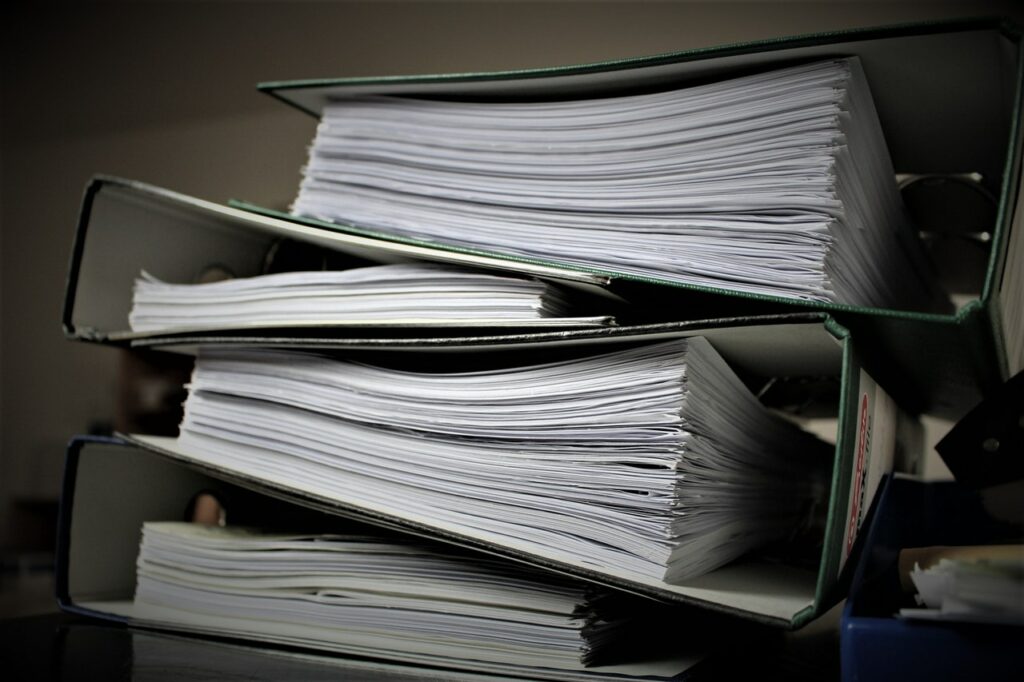
Photo by Pixabay from Pexels
Collect all your financial documents and receipts and get your business bank statements and credit card statements ready. If you wrote checks and don’t have records, ask your bank to provide you copies of canceled checks. Most banks do it for free, but some of them may charge a fee for that. However, you can also choose from online tools that store all your financial documents with ease.
2. Start Catch-up Bookkeeping
If you don’t do monthly bookkeeping, you need to do catch-up bookkeeping. If you can do it yourself, buy one of the bookkeeping and accounting software tools such as Quickbooks or Xero and start entering all the transactions from January 1st.
On the other hand, if you have an accountant or bookkeeper, contact them immediately and ask them to start working on it. Some of our clients send us their bank statements around November to get ahead on their bookkeeping needs for the year.
3. Reconcile Your Accounts
Once all the transactions are imported, expenses are categorized, make sure all your bank and credit card accounts have been reconciled until October or November. You may need to adjust journal entries to account for depreciation, amortization, loan interest, inventory, and Accounts Receivables.
Once you’re done with that, you will have your 10-11 month P&L and Balance Sheet.
4. Start With Your P&L
After you get these financial statements, start with your P&L, and review all income and expense items. Make sure you didn’t miss any expenses. Many entrepreneurs often use their personal accounts for legitimate business expenses.
For this reason, you should pay special attention to travel, transportation, meal, and supplies accounts. Moreover, you should add all those deductions for your business.
5. Review Your Sales

Photo by Lukas from Pexels
Review your sales and write off any uncollectible invoices. If you are a cash-based taxpayer, plan to slow down your collection and delay it to January. That way, your sales will be less, and it will have an immediate impact on your taxable income
Similarly, you should also review your business tax structure to streamline the process. If you have LLC and filing as a sole proprietor, you should consider electing S-Corp.
6. Increase Your Expenses

Photo by energepic.com from Pexels
Consider increasing your expenses. Max out your credit cards, if necessary, to purchase supplies and other equipment. Pay your bills, even including those that are not due yet. For example, you can pay your telephone and utility bills. You also need to be careful here; buying extra inventory, paying your loan or credit card balance won’t help you as they are not expenses.
For instance, you can buy new vehicles if necessary as there is an unlimited deduction for SUVs and Trucks.
7. Talk To Your Accountant
Talk to your financial planner and accountant to see what retirement plans may bring you extra tax savings. When it comes to tax season preparation, you should be in active contact with your accountant or financial planner. They are qualified to guide you on the right path that will help you with your tax savings.
8. Don’t Forget About Independent Contractors
If you made payments for independent contractors, make sure you have all of their W-9s. If you didn’t correctly do catch up bookkeeping, you should be able to pull a good report to list your vendors and independent contractors. file 1099s. It is a very short period for tax season preparation.
Once you follow all these steps, you should have a stress-free tax season, and it will save you a lot of dollars on your tax bill.
https://www.youtube.com/watch?v=kEgvme0bMqU